Featured Folklore
Where legend rises from the sea
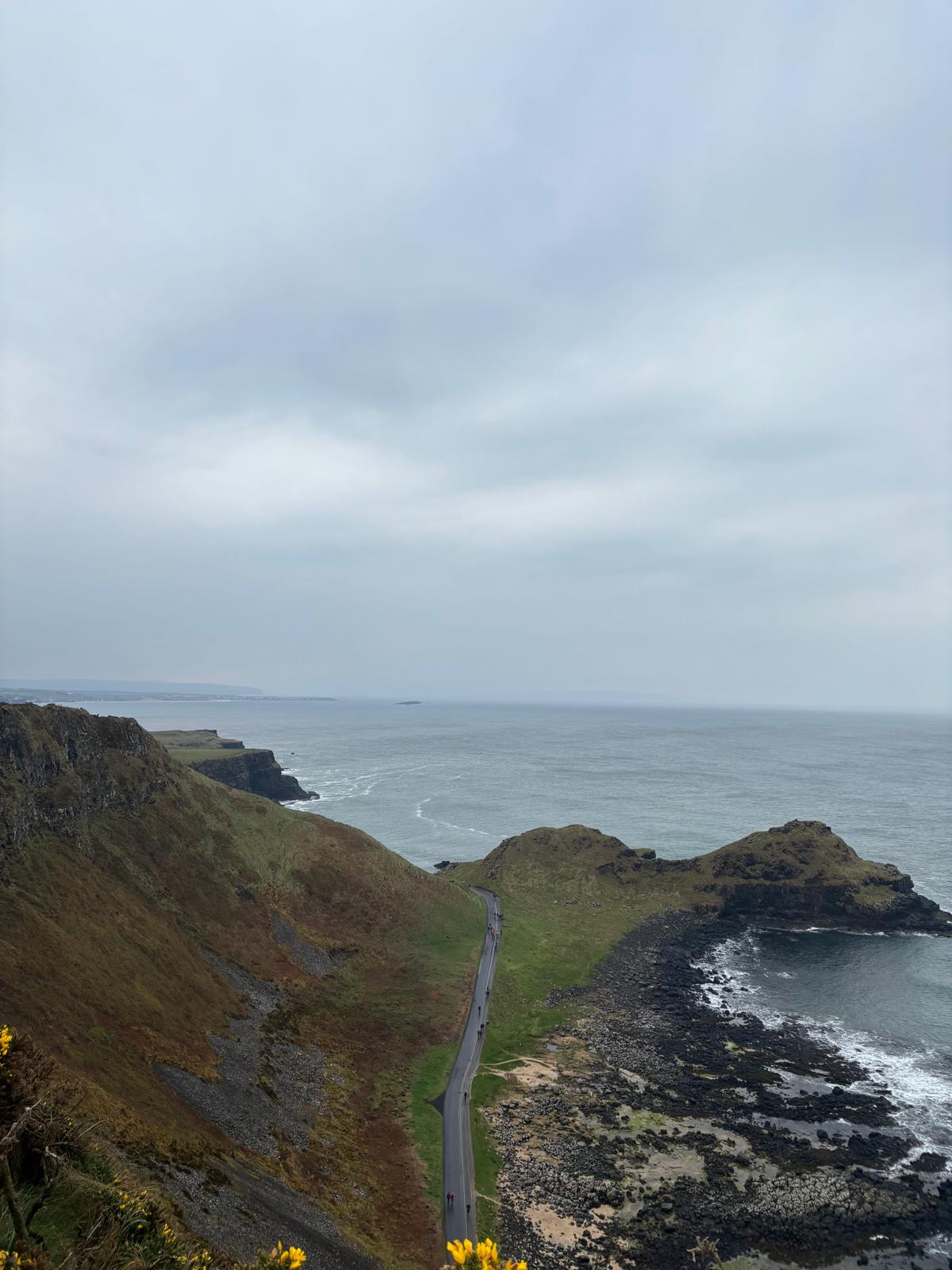
Giant's Causeway is one of Northern Ireland's most unforgettable places: a dramatic stretch of basalt columns shaped by ancient volcanic activity and surrounded by stories that feel older than the coastline itself.
Standing there, with the Atlantic wind moving across the stones, it is easy to understand why people once imagined giants walking this shore. The place feels almost unreal — too geometric to be accidental, too wild to feel ordinary.
The legend of Finn McCool
The most famous story linked to Giant's Causeway is the legend of Finn McCool, a giant from Irish mythology. According to the tale, Finn built the causeway across the sea so he could reach Scotland and confront the Scottish giant Benandonner.
But when Finn realised Benandonner was far larger than he expected, he returned home. His wife, Oonagh, cleverly disguised him as a baby. When Benandonner saw the enormous "child", he imagined the father must be even greater, and fled back to Scotland, tearing up the causeway behind him.
"Some landscapes are explained by science. Others are remembered through story. Giant's Causeway belongs beautifully to both."
The science behind the stones
Beyond the legend, the stones were formed by volcanic activity millions of years ago. As lava cooled and contracted, it cracked into the remarkable hexagonal columns that make the coastline so famous today.
This mix of natural geometry and dramatic scenery gives the place its strange atmosphere: part geological wonder, part ancient myth.
Visitor notes
- Go early in the morning for quieter paths and softer light.
- Wear comfortable shoes, especially if the stones are wet.
- Bring a coat — the coastal wind can be strong even on clear days.
- Take time to walk beyond the main stones for wider coastal views.
A final note from the Chronicle
Giant's Causeway is not just a place to photograph. It is a place to listen: to the sea, to the old stories, and to that strange feeling that Northern Ireland's coast still carries something ancient within it.